What really drives the cost of an exterior project, square footage, surface condition, prep, and finish, plus how to budget with confidence.
Repainting your house exterior is one of the most important investments you can make in your home. A fresh exterior finish can improve curb appeal, protect your surfaces, and help your property look clean, updated, and well cared for. But for many homeowners, the first question is simple: how much does it cost to repaint a house?
The honest answer is that exterior repainting costs can vary widely. The final price depends on the size of the home, the type of exterior surface, the amount of preparation needed, the quality of materials, the number of coats, access around the property, and whether the project is a basic repaint or a more advanced protective coating system.
For Central Florida homeowners, the climate also plays a major role. Homes in this region deal with strong sun, high humidity, heavy rain, and seasonal storms. That means the lowest-priced paint job is not always the best long-term value. A proper exterior project should focus on both appearance and protection.
Square Footage Is One Of The Biggest Cost Factors
The size of your home is usually one of the first things that affects the cost of repainting. A larger home requires more labor, more materials, more preparation time, and more equipment. A single-story home may also cost less than a two-story home because it is easier to access.
However, square footage alone does not tell the whole story. Two homes with the same size can have very different repainting costs depending on their condition, design, and exterior materials. A simple one-story stucco home may be faster to complete than a home with multiple rooflines, detailed trim, decorative columns, balconies, or hard-to-reach areas.
Surface Condition Can Change The Price
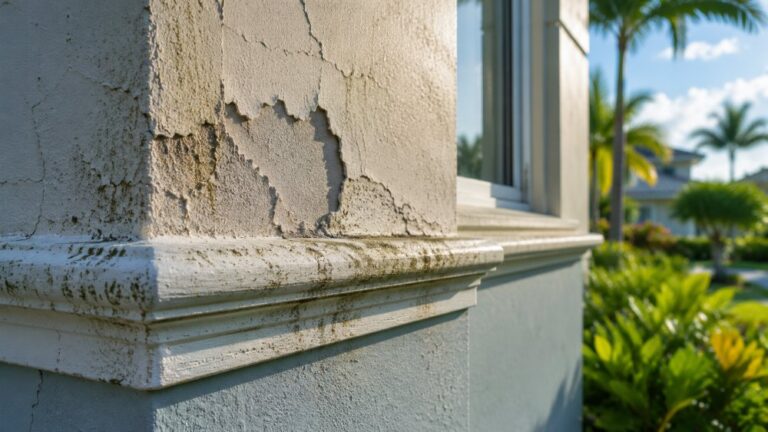
The condition of your exterior has a major impact on cost. If the surface is clean, smooth, and well maintained, the project may require less preparation. But if there is peeling paint, chalking, cracks, mildew, stains, or moisture damage, more time and labor will be needed before any paint or coating is applied.
Surface preparation is not the part of the project homeowners always notice first, but it is one of the most important. A paint job is only as strong as the surface underneath it. If the home is not properly cleaned, repaired, sealed, or primed, the finish may fail sooner than expected.
Common preparation work may include pressure washing, scraping loose paint, repairing cracks, sealing gaps, treating mildew, priming bare areas, and protecting windows, doors, plants, and surrounding surfaces.
Prep Work Should Never Be Skipped
Prep work is one of the biggest differences between a cheap repaint and a professional exterior project. Some contractors may offer a low price by reducing preparation time, using lower-quality materials, or rushing through important steps. That may save money upfront, but it can lead to peeling, uneven coverage, water problems, and the need to repaint again sooner.
In Central Florida, prep work is especially important because homes are exposed to moisture and heat throughout the year. Stucco cracks, chalky walls, mildew, and faded surfaces need to be handled correctly before a new finish is applied.
A professional contractor should inspect the home carefully and explain what preparation is included in the estimate. If one quote is much lower than another, it is smart to compare the prep process, not just the final price.
Exterior Material Affects The Cost
The type of exterior surface also affects pricing. Stucco, wood, masonry, siding, trim, doors, and garage doors may each require different preparation and application methods.
- Stucco: Common in Florida and often requires crack repair, sealing, and proper coating to prevent moisture issues.
- Wood trim: May need scraping, sanding, priming, or repair if it has been exposed to moisture.
- Masonry or concrete: May require cleaning, sealing, or specialized products for proper adhesion.
- Detailed trim and accents: Usually require more time and careful application.
A home with multiple materials may cost more because each surface needs the right approach. This is another reason an in-person inspection is helpful before final pricing is provided.
Paint Quality And Finish Matter
Not all exterior paint products are the same. Higher-quality paints and coating systems generally cost more, but they can also provide better coverage, durability, fade resistance, and protection. In Florida, choosing the right product is important because the exterior must handle harsh sunlight and moisture.
A basic paint may be enough for some short-term projects, but homeowners who want longer-lasting results may benefit from a more durable finish. Protective exterior coatings are often designed to create a stronger barrier than regular paint, especially on stucco and masonry surfaces.
The right finish can also affect maintenance. A better exterior system may help reduce the need for frequent repainting, which can save money over the long term.
Labor And Access Also Affect Pricing
Labor is a major part of any exterior repainting project. Professional crews must clean, prepare, protect, apply, inspect, and clean up the project area. If the home is difficult to access, has multiple stories, steep areas, tall walls, or detailed architecture, the labor cost may increase.
Access issues may require ladders, lifts, extra safety equipment, or more time on site. Even landscaping can affect the project if bushes, trees, or tight spaces make it harder to reach the walls.
Do Repairs Increase The Cost?
Yes, repairs can increase the cost, but they are often necessary. Painting over damaged areas may hide the problem for a short time, but it will not fix the underlying issue. Cracks, rotted trim, water damage, failing caulk, or loose paint should be addressed before the finish is applied.
Good repairs help the new paint or coating perform better. They also help protect your home from future moisture problems. While repairs may add to the upfront cost, they can prevent more expensive issues later.
How To Budget With Confidence
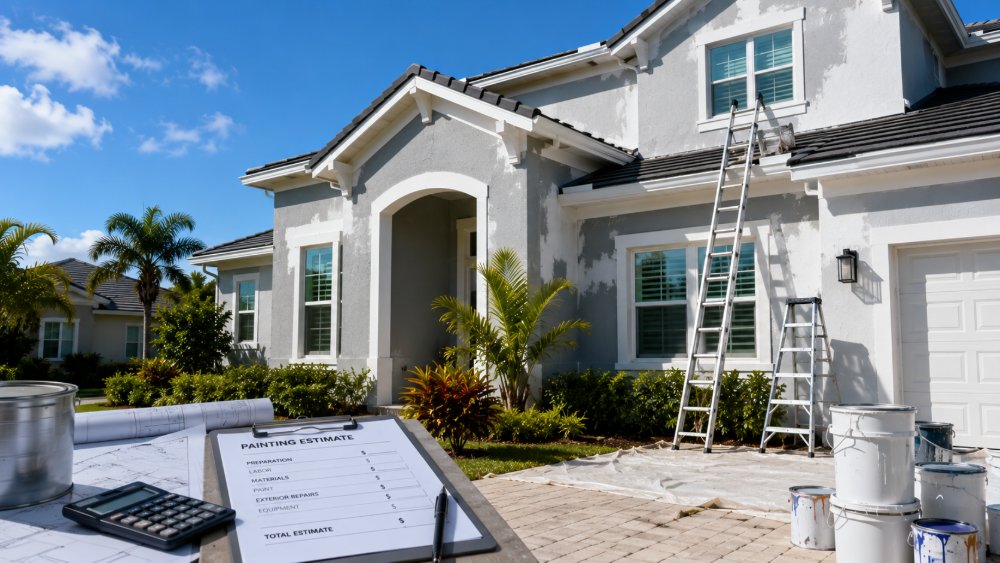
The best way to budget for an exterior repainting project is to understand what is included. Do not compare estimates based only on the final number. Compare the full scope of work.
- Is pressure washing included?
- Are cracks and damaged areas repaired?
- Is primer included where needed?
- What type of paint or coating will be used?
- How many coats are included?
- Is cleanup included?
- Is there a warranty or long-term protection option?
When you understand these details, you can make a better decision. A higher-quality project may cost more upfront, but it can provide better value if it lasts longer and protects the home more effectively.
Final Thoughts
The cost to repaint your house depends on more than just square footage. Surface condition, preparation, repairs, material quality, labor, access, and finish type all play a role. For Central Florida homes, it is also important to consider the local climate and choose a solution that can stand up to sun, humidity, rain, and storms.
Instead of looking for the cheapest repaint, homeowners should look for the best long-term value. A professional exterior project should improve curb appeal, protect the home, and give you confidence that the finish was done correctly. With the right inspection, clear estimate, and quality materials, you can budget with confidence and make a smart investment in your home’s exterior.