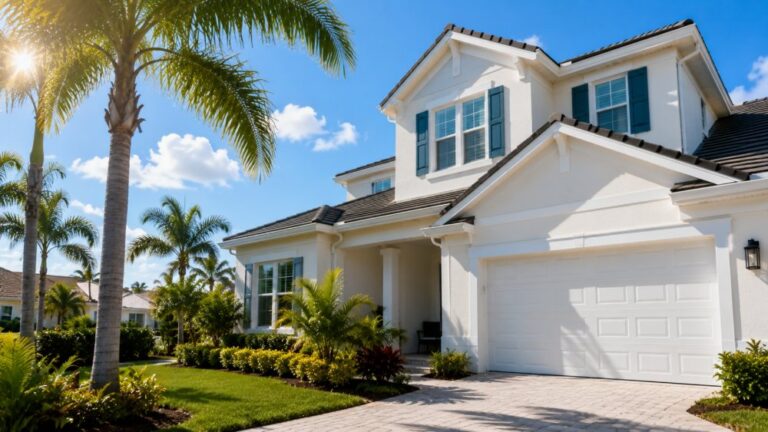
Most Central Florida homes need repainting every 5-10 years, but the real answer depends on sun exposure, surface type, and the signs your walls are showing.
Repainting the exterior of your home is one of the most important maintenance decisions you can make as a Central Florida homeowner. A fresh exterior finish improves curb appeal, protects your walls, and helps your property look clean and cared for. But the big question is always the same: how often should you repaint?
For many homes in Central Florida, exterior repainting is needed every 5-10 years. However, that timeline is only a general guide. Some homes may need attention sooner, while others can last longer depending on the quality of the previous paint job, the type of surface, the amount of sun exposure, and how well the exterior has been maintained.
Why Central Florida Homes Need Repainting More Often
Central Florida weather is beautiful, but it can be tough on exterior paint. Homes are exposed to strong sunlight, high humidity, heavy rain, and seasonal storms. These conditions can cause standard exterior paint to fade, chalk, crack, or peel faster than homeowners expect.
The sun is one of the biggest reasons paint breaks down. UV rays can weaken the paint film and cause colors to lose their original depth. At the same time, moisture from humidity and rain can get into small cracks or weak spots. When that happens, paint can begin to bubble, peel, or separate from the surface.
This is why repainting is not just about making your home look better. It is also about protecting the surfaces underneath. When the paint begins to fail, your stucco, siding, trim, or masonry may become more vulnerable to moisture and weather damage.
Typical Repainting Timeline For Florida Homes
Most Central Florida homeowners can expect to repaint their home exterior every 5-10 years. The exact timing depends on the material and condition of the home.
- Stucco homes: Often need repainting every 5-7 years if standard paint was used, especially in areas with strong sun exposure.
- Wood trim or siding: May need attention sooner because wood can absorb moisture and expand or contract with weather changes.
- Masonry or concrete surfaces: Can last longer when properly sealed and maintained, but still need inspection for fading, cracking, or moisture issues.
- High-sun areas: Walls facing direct sunlight may fade faster than shaded sides of the home.
Because every home is different, the best approach is to look at the condition of your exterior instead of relying only on the calendar.
Signs Your Home May Need Repainting
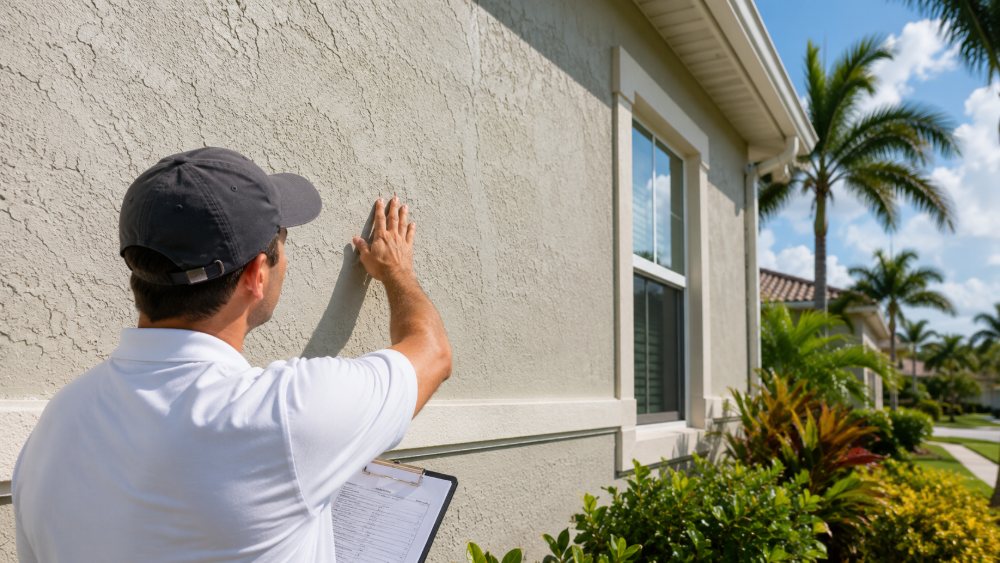
Your home will usually show clear signs when the exterior finish is wearing down. If you notice any of the following issues, it may be time to schedule an inspection or plan for repainting.
- Fading color: The exterior no longer looks fresh, and the color appears dull or uneven.
- Chalking: A powdery residue appears when you touch the surface.
- Peeling or flaking: Paint is lifting away from the wall or trim.
- Cracks in the finish: Small cracks are appearing in the paint or coating layer.
- Stains or mildew: Dark spots, streaks, or mildew growth are becoming visible.
- Moisture damage: Bubbling, soft spots, or areas that look swollen may indicate water problems.
Ignoring these signs can lead to bigger issues. Once paint begins to fail, moisture can get behind the surface and cause more damage over time. Addressing the problem early can help protect the home and reduce future repair costs.
Sun Exposure Makes A Big Difference
Not every side of your home wears down at the same speed. In Central Florida, walls that receive the most direct sunlight usually show fading and surface wear first. South-facing and west-facing walls are often the most affected because they receive stronger sun exposure during the day.
This means one part of your home may look older than another. You may see fading near the garage, upper walls, or large open exterior areas while shaded areas still look acceptable. Even if the entire home does not look damaged, uneven fading can make your exterior look older and less consistent.
Surface Type Also Matters
The material on your home’s exterior plays a major role in how often repainting is needed. Stucco is very common in Florida, and it needs proper protection because it is porous. If the paint or coating wears down, moisture can become a problem.
Wood surfaces need close attention because they can crack, rot, or absorb water if the finish is no longer protecting them. Trim, fascia, doors, and other detail areas may need maintenance before the main walls do.
Homes with older paint, poor prep work, or previous moisture problems may also need repainting sooner than homes that were properly cleaned, repaired, primed, and finished.
Quality Of The Previous Paint Job
A quality exterior finish depends heavily on preparation. Even expensive paint will not perform well if it was applied over dirt, chalky surfaces, cracks, or moisture problems. Proper pressure washing, repairs, sealing, priming, and application all affect how long the finish will last.
If your previous paint job was rushed or applied without proper prep, you may notice problems within only a few years. On the other hand, a professional project using quality materials and correct preparation can help extend the life of the exterior finish.
Paint Vs. Long-Term Exterior Coating
For some homeowners, regular repainting every few years becomes frustrating. This is especially true for homes that fade quickly, peel repeatedly, or face heavy sun exposure. In those cases, it may be worth considering a more durable exterior coating system instead of another standard paint job.
An exterior coating is designed to provide a stronger protective layer over the home. It can help with durability, moisture resistance, and long-term exterior performance. For Central Florida homes, this can be a valuable option because the climate is so demanding.
Final Thoughts
Most Central Florida homes need repainting every 5-10 years, but your home’s actual timeline depends on the condition of the exterior. Sun exposure, surface type, moisture, previous prep work, and visible signs of wear all matter.
If your home is fading, chalking, peeling, cracking, or showing moisture-related problems, it may be time to take action. A professional exterior inspection can help you understand whether your home needs repainting, repairs, or a longer-lasting coating solution. Keeping your exterior protected is one of the best ways to maintain curb appeal and defend your home against Florida’s challenging weather.