With Florida’s unpredictable weather, timing matters. We break down when to schedule an exterior project for the longest-lasting finish.
Painting or coating the outside of your home is a major project, and in Central Florida, timing can make a big difference. The right season can help the finish bond better, cure properly, and perform longer. The wrong timing can create problems with moisture, poor drying, uneven application, or weather delays.
Unlike some parts of the country where exterior projects are mostly limited to spring and summer, Central Florida has a longer painting season. However, that does not mean every month is equally ideal. Heat, humidity, rain, storms, and surface temperature all affect how well exterior paint or coating performs.
Why Timing Matters For Exterior Painting
Exterior paint and coating systems need the right conditions to perform properly. The surface should be clean, dry, and prepared before application. The weather should allow enough time for the product to dry and cure. If the surface is too wet, too hot, or exposed to rain too soon, the finish may not bond as strongly as it should.
In Central Florida, the challenge is not only temperature. Humidity and sudden rain are just as important. A day may start sunny and dry, then shift into afternoon storms. That is why professional scheduling is so important for homeowners who want a long-lasting result.
The Best Overall Season: Fall Through Early Spring
For many Central Florida homes, the best season to paint or coat an exterior is from fall through early spring. During this time, temperatures are usually more comfortable, humidity is often lower, and afternoon storms are less frequent than during the summer rainy season.
This creates better working conditions for surface preparation, primer, paint, and coating application. It also gives the finish a better chance to dry evenly and cure properly. For homeowners, this can mean fewer weather delays and a smoother project timeline.
Fall is especially popular because it comes after the peak summer heat and storm activity. Early spring can also be a strong choice before the heaviest heat and rain arrive.
Why Summer Can Be More Difficult
Summer is not impossible for exterior painting, but it can be more challenging in Central Florida. The heat can be intense, and surfaces can become very hot under direct sunlight. Paint or coating applied to an overheated surface may dry too quickly on the outside while not curing properly underneath.
Summer also brings high humidity and frequent afternoon storms. Even if the morning looks perfect, rain can arrive later in the day. If fresh paint or coating is exposed to rain too soon, it can affect the finish, create streaking, or reduce performance.
Professional crews can work around summer conditions by planning carefully, starting early, watching the forecast, and avoiding surfaces that are too hot. Still, if you have flexibility, scheduling outside of the wettest summer months is often a better choice.
Humidity Is Just As Important As Temperature
Many homeowners focus only on temperature, but humidity plays a major role in exterior painting. High humidity can slow drying time because moisture in the air makes it harder for paint or coating to release water or solvents properly.
If the surface stays damp too long, the finish may not cure as intended. This can lead to longer project times or potential performance issues. Lower-humidity days are usually better because they allow the product to dry more consistently.
In Central Florida, mornings can sometimes be damp with dew, especially during cooler months. A professional contractor will usually wait until the surface is fully dry before applying any product.
Rain Forecasts Should Never Be Ignored
Rain is one of the biggest scheduling concerns for exterior painting and coating. A proper project needs a clear weather window. This does not always mean several perfect days, but it does mean the crew must plan around expected rain and allow enough drying time before moisture returns.
If rain is likely too soon after application, it may be better to delay that part of the project. Rushing through bad conditions can create problems that show up later. A careful schedule may take a little more patience, but it helps protect the quality of the final result.
Surface Temperature Matters
The air temperature may feel comfortable, but the surface temperature of your home can be much hotter. Stucco, siding, trim, and masonry can absorb heat from the sun. This is especially true on walls that face direct sunlight for several hours.
Painting or coating a surface that is too hot can affect application and drying. That is why professionals often work around the sun, starting on shaded areas or scheduling certain sides of the home at specific times of day.
This is another reason fall, winter, and early spring are often better. Surfaces are less likely to become extremely hot, giving the product a better opportunity to bond and cure properly.
Best Time Of Day For Exterior Work
In Central Florida, the best time of day for exterior painting often depends on the season. During warmer months, early morning may be useful, but the surface must be dry from dew or overnight moisture. During cooler months, late morning or midday may offer better conditions once surfaces have warmed and dried.
The goal is to avoid applying product when the surface is wet, extremely hot, or likely to be hit by rain too soon. A professional team will adjust the work schedule based on weather, shade, surface temperature, and drying time.
Planning Ahead Helps You Get The Best Schedule
If you want your exterior painting or coating project completed during the best season, it is smart to plan ahead. Fall and spring can be busy times because many homeowners prefer those weather conditions. Waiting until your paint is already peeling badly may limit your scheduling options.
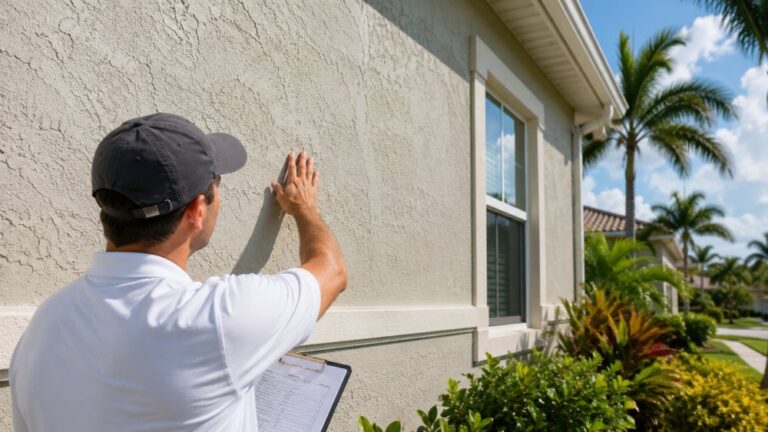
Planning early also gives time for a proper inspection. Your contractor can identify cracks, chalking, moisture issues, damaged trim, or surface repairs that should be handled before the finish is applied.
Final Thoughts
The best season to paint a house exterior in Central Florida is usually fall through early spring, when temperatures are more moderate, humidity is lower, and rain delays are less common. Summer projects can still be done, but they require careful planning because of heat, storms, and high moisture levels.
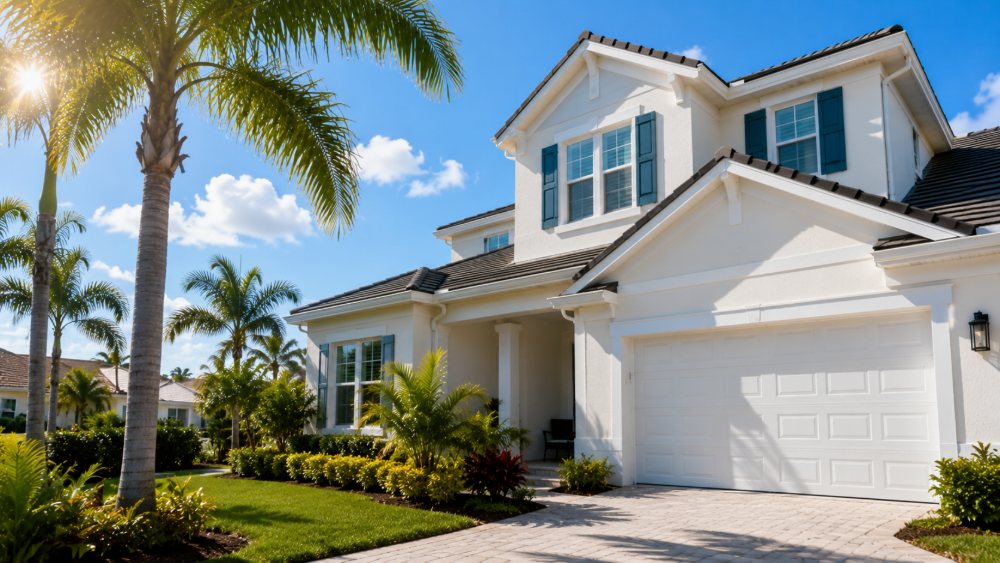
For the longest-lasting finish, do not choose a schedule based only on convenience. Choose a time that gives your home the right conditions for preparation, application, drying, and curing. With the right timing and a professional process, your exterior paint or coating project can deliver better curb appeal, stronger protection, and longer-lasting results for your Central Florida home.